


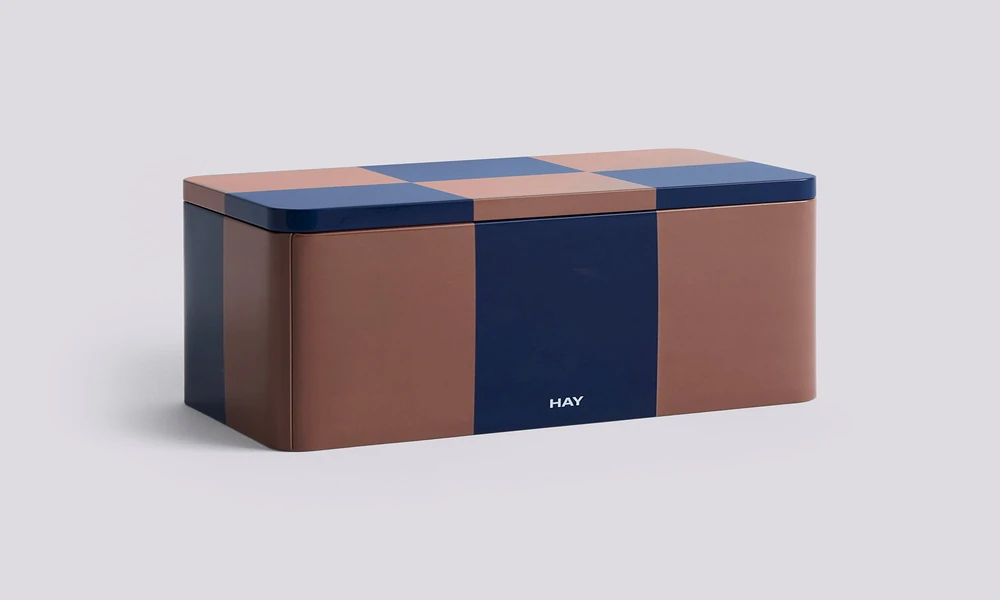
Coffee packaging does much more than hold a product. It protects freshness, preserves aroma, supports branding, and influences how customers perceive quality. Whether you are selling whole beans, ground coffee, or specialty blends, choosing the right packaging can make a noticeable difference. With so many options available, it helps to understand the materials, formats, and features commonly used in the coffee industry.
One packaging option that continues to gain popularity is tin containers. Known for their durability and premium appearance, they provide strong protection against light, moisture, and oxygen, which are all major threats to coffee freshness. uCan-Packaging company offers a range of metal packaging solutions worldwide, designed for food and beverage storage. Many coffee brands choose metal packaging because it combines product protection with an upscale look that customers often associate with quality and craftsmanship.
Common Coffee Packaging Materials
Different materials offer different benefits. The best choice depends on your product, budget, and brand goals.
Metal Packaging
Metal containers are valued for their strength and protective qualities. They can help maintain coffee flavour for longer periods when combined with secure sealing systems.
Benefits include:
- Excellent barrier protection
- Durable and reusable design
- Premium shelf appeal
- Strong resistance to physical damage
Flexible Pouches
Flexible coffee bags remain one of the most widely used packaging formats.
Advantages include:
- Lightweight construction
- Lower shipping costs
- Easy storage
- Available in many sizes and finishes
Paper-Based Packaging
Paper packaging can create a natural and eco-friendly brand image. While attractive, it often requires additional barrier layers to effectively protect coffee from moisture and oxygen.
Popular Coffee Packaging Formats
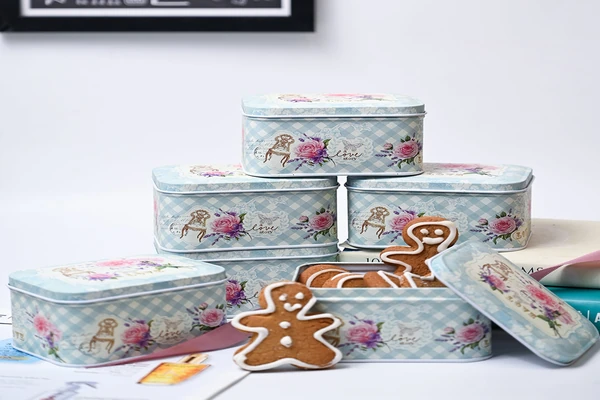
Coffee brands can choose from several packaging styles depending on the target market.
- Stand-Up Pouches: These are common in supermarkets and specialty coffee shops because they stand neatly on shelves and offer a large area for branding.
- Coffee Tins: Coffee tins are often used for premium products, gift sets, and limited-edition releases. Their sturdy structure helps protect the contents while creating a memorable unboxing experience.
- Composite Canisters: These combine multiple materials to balance protection, appearance, and cost. Many brands use them for ground coffee products.
Features That Help Preserve Freshness
A coffee package is only as good as the protection it provides. Several features play a key role in maintaining quality.
- Degassing Valves: Freshly roasted coffee releases carbon dioxide after roasting. One-way valves allow gas to escape without letting oxygen enter the package.
- Airtight Closures: Effective seals help lock in flavour and aroma while keeping moisture out.
- Light Protection: Exposure to light can gradually affect coffee quality. Opaque packaging materials help reduce this risk.
- Resealable Designs: Consumers appreciate packaging that is easy to open and close while keeping coffee fresh between uses.
Final Thoughts
Coffee packaging is about more than appearance. The right combination of materials, formats, and protective features helps preserve freshness, maintain aroma, and strengthen brand value. Whether using pouches, paper packaging, or metal options, quality packaging keeps coffee protected from moisture, light, and air. In the end, effective packaging ensures customers enjoy the rich flavour, aroma, and overall experience that make every cup of coffee satisfying.
