


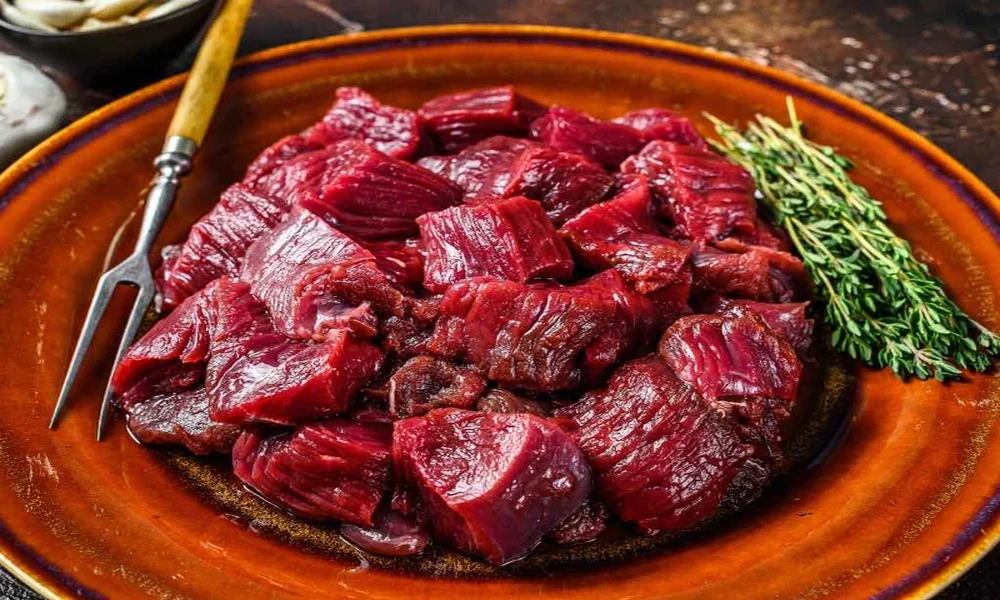
You notice the difference with food long before you taste it. There is the land where it was raised, the way the animals were managed, the decisions made by the producer, and finally what happens in the kitchen. That whole chain matters. With ranch-raised elk, the appeal is not a fashionable label. It is the story and quality behind an unfamiliar but increasingly interesting food choice.
Elk Meat Deserves More Than a “Game Meat” Reputation
Many people first timers expect a strong gamey or wild flavor from elk meat. But unlike other game meats, Elk meat has a very mild, clean, and naturally sweet taste. It’s a table character that premium beef lovers find relatable.
What you get is high protein, dietary iron and vitamin B12, which is good in boosting energy levels. However, its lean nature changes how you cook elk meat. A steak does not need to sit over the heat while you finish three other things in the kitchen. Elk rewards attention. Ground elk is easier-going and works naturally in burgers, chili, meatballs and similar dishes.
Getting it right needs more care because there is less fat to protect it from drying out. Once you understand that, elk stops feeling like an exotic ingredient. You simply adjust the cooking to suit the meat.
Elk Antler: A Renewable Superfood With a Surprisingly Different Place in the Kitchen
Elk antler is one of those foods that makes you stop and ask, “People actually eat that?” There is a good reason for the curiosity. Antlers are continually grown and naturally shed as part of an elk’s normal life cycle, making naturally shed antler a renewable animal resource.
Young antler, commonly called velvet antler while it is still developing, is also used in traditional food and wellness preparations and is often processed into powders or extracts. That opens up an unusual culinary possibility. Rather than treating antler as something you would simply put on a plate, it can be processed into an ingredient for broths, drinks, or other preparations.
The appeal is partly nutritional and partly cultural-the idea of turning a naturally renewing part of the animal into something usable rather than letting it go to waste. There is still one simple question worth asking: Where did it come from? Whether naturally shed or otherwise responsibly sourced, clear information about collection and processing gives the product credibility.
The Rancher Matters More Than the Words on the Package
“Natural.” “Clean.” “Sustainable.” Food packaging has no shortage of reassuring words. The trouble is that a word on a label cannot tell you everything about what happens on a ranch. If the way an animal was raised matters to you, ask questions that lead back to actual practice.
How are the elk fed throughout the year? What kind of pasture management is used? How are the animals handled? What happens when one becomes ill or injured? Does the ranch follow a recognized certification, or does it operate according to its own documented standards?
Those conversations are often more revealing than a polished label. A responsible producer should be able to explain the system without turning every answer into a sales pitch. That matters because food quality is not created at the packaging stage. It is built through hundreds of smaller decisions long before the package reaches the refrigerator.
Stop Saving Elk for the “Special” Dinner
There is no rule saying elk has to wait for a holiday, dinner party or impressive-looking plate. Ground elk can become a straightforward weekday burger. A roast fits comfortably into a slow Sunday meal. Properly prepared and handled, thinly sliced elk can also make jerky for a convenient snack.
Using more of the animal makes the experience even more interesting. Bones can form the foundation of a rich broth, while liver, heart and kidneys have their own place for cooks who enjoy organ meats. Nothing about that requires turning dinner into a culinary performance. It is simply a different way of working with an animal that has more to offer than a single premium cut.
That is perhaps the most practical advantage of ranch-raised elk. Once it enters your kitchen, it does not demand that you reinvent the way you eat. It gives familiar meals a different character.
In essence, good elk meat does not need exaggerated health promises to be interesting. The stronger story is already there: how the animal was raised, how the product was handled, what the rancher is willing to tell you, and how thoughtfully you use it at home. Look past the “superfood” language and follow the food back to its source. That is usually where the most convincing quality story begins.
